Minnesota winters can be hard on garage doors. Freezing temperatures, snow, ice, road salt, and repeated temperature changes can expose worn seals, stiff hardware, and other problems. A little garage door winter maintenance before the cold settles in can help your door operate more reliably throughout the season. Learn how to inspect weather-stripping, clean and lubricate moving components, check safety features, reduce drafts, prevent freezing, and recognize problems that may require professional service.
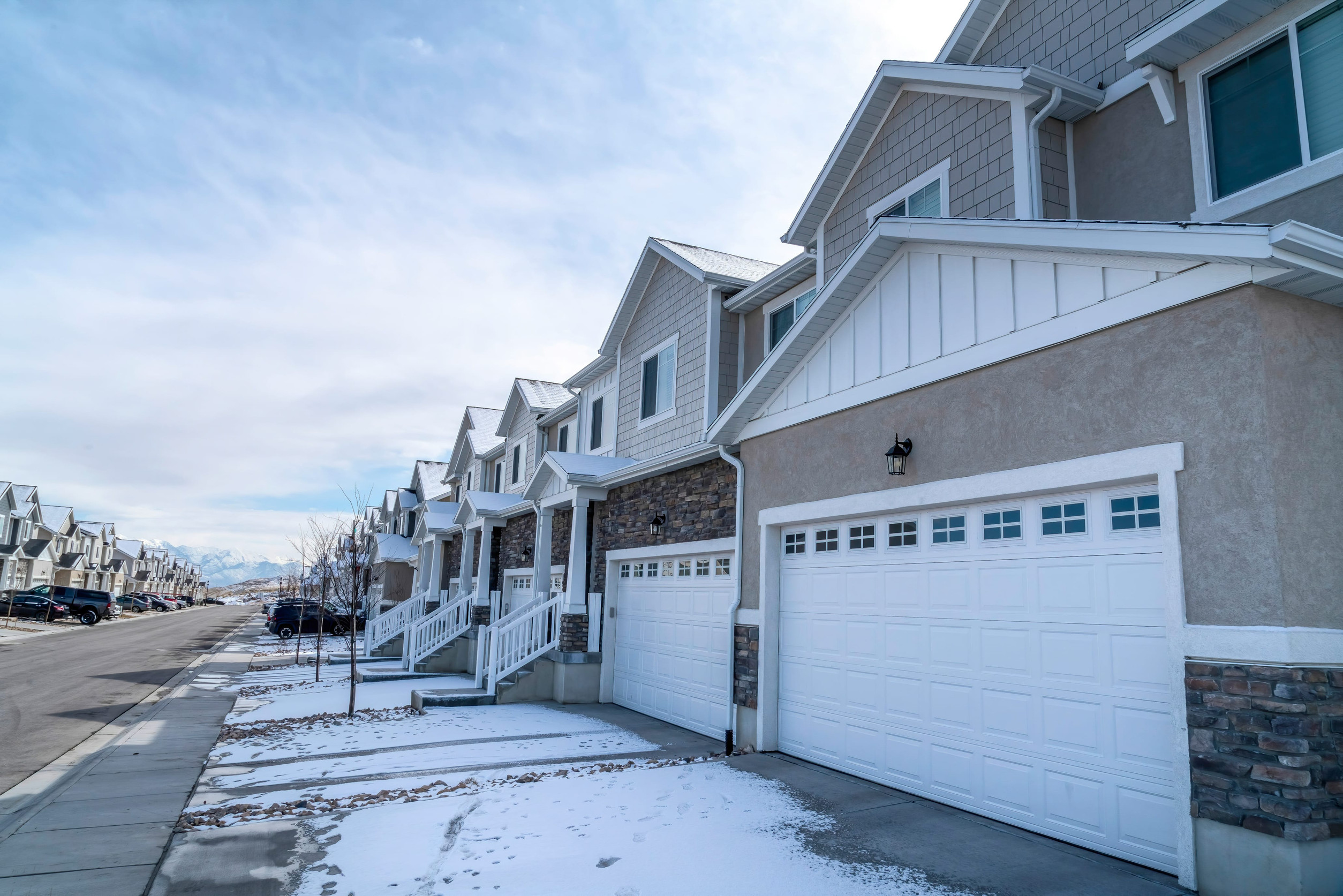
Minnesota homeowners know that winter prep goes beyond storing patio furniture and prepping the snowblower. Garage door maintenance should also be on the fall checklist.
Garage door maintenance is essential for a system that is one of the home’s largest moving components. During a Central Minnesota winter, it endures below-freezing temperatures, blowing snow, ice, moisture, and road salt.
Fortunately, garage door winter maintenance does not have to be complicated. A careful inspection and a few preventive steps can help you identify worn components, reduce drafts, and prepare your garage door for months of cold-weather use.
Here is what homeowners in Brainerd and throughout the Brainerd Lakes Area should know about how to prepare a garage door for winter.
Minnesota weather places unique demands on garage door maintenance and the door system. Materials expand and contract as temperatures change. Rubber and vinyl seals may become less flexible. Lubricants that perform adequately in warm weather may behave differently in extreme cold. Snow and ice can collect around the bottom of the door, while vehicles bring moisture and road salt into the garage.
Cold weather does not necessarily cause every garage door problem, but it can reveal weaknesses that were already developing.
Common winter garage door concerns can include:
Completing Minnesota garage door maintenance in the fall gives you an opportunity to address these concerns before the coldest part of the year.
One of the best places to begin when you winterize a garage door is with the seals.
Look closely at the bottom seal as well as the weatherstripping along the sides and top of the garage door. These components help limit air, water, snow, dirt, and debris from entering around the closed door.
Check for:
Pay particular attention to the bottom seal. Years of contact with the garage floor, moisture, dirt, and changing temperatures can gradually wear it down.
A deteriorated seal is more than a comfort issue. Snow and moisture entering beneath the garage door can create wet floors and contribute to ice formation near the opening.
If your weatherstripping no longer creates a consistent seal, replacement may be worth considering before winter.
Fall is also a good time for a simple cleaning.
Remove leaves, dirt, cobwebs, and other debris from around the garage door opening. Check the tracks for visible dirt or debris that could interfere with normal movement. Tracks should generally be kept clean rather than packed with grease.
Clean the exterior garage door according to the manufacturer’s recommendations. For many doors, mild soap, water, and a soft cloth or sponge are appropriate, but homeowners should always follow the care instructions for their particular door material and finish.
This is especially useful cold weather garage door maintenance in Minnesota because road salt, slush, and grime can accumulate quickly once winter begins.
Starting the season with a clean door also makes it easier to spot scratches, rust, damaged hardware, or other developing concerns.
Garage doors contain multiple moving components that work together every time the door opens or closes. Proper lubrication can help reduce friction and noise.
Depending on the garage door and manufacturer’s instructions, lubrication may be appropriate for certain hinges, bearings, rollers, or other metal moving components.
The important part is using a product intended for garage door components and following the manufacturer’s recommendations. Avoid assuming that any household lubricant is appropriate for every part of the system.
Also remember that garage door tracks generally do not need to be coated in heavy grease. Excess material can collect dirt and debris.
If you are unsure what should be lubricated on your specific door, professional maintenance can remove the guesswork.
One of the easiest forms of winter garage door maintenance requires no tools at all.
Stand inside the garage and operate the door. Watch and listen as it travels through a complete opening and closing cycle.
Does it move smoothly?
Does it suddenly jerk?
Has it become louder than usual?
Do you hear grinding, scraping, popping, or excessive squeaking?
A garage door will naturally make some noise, but a noticeable change in sound or movement can indicate that something needs attention.
Access Garage Door provides garage door repair for issues including broken springs, cables, off-track doors, noisy operation, and damaged panels throughout the Brainerd Lakes Area. If something looks or sounds wrong, having it inspected before winter can help prevent an inconvenient problem during colder weather.
You can visually inspect many garage door components without touching or adjusting them.
Look for obvious signs of trouble such as:
This should be a visual inspection only.
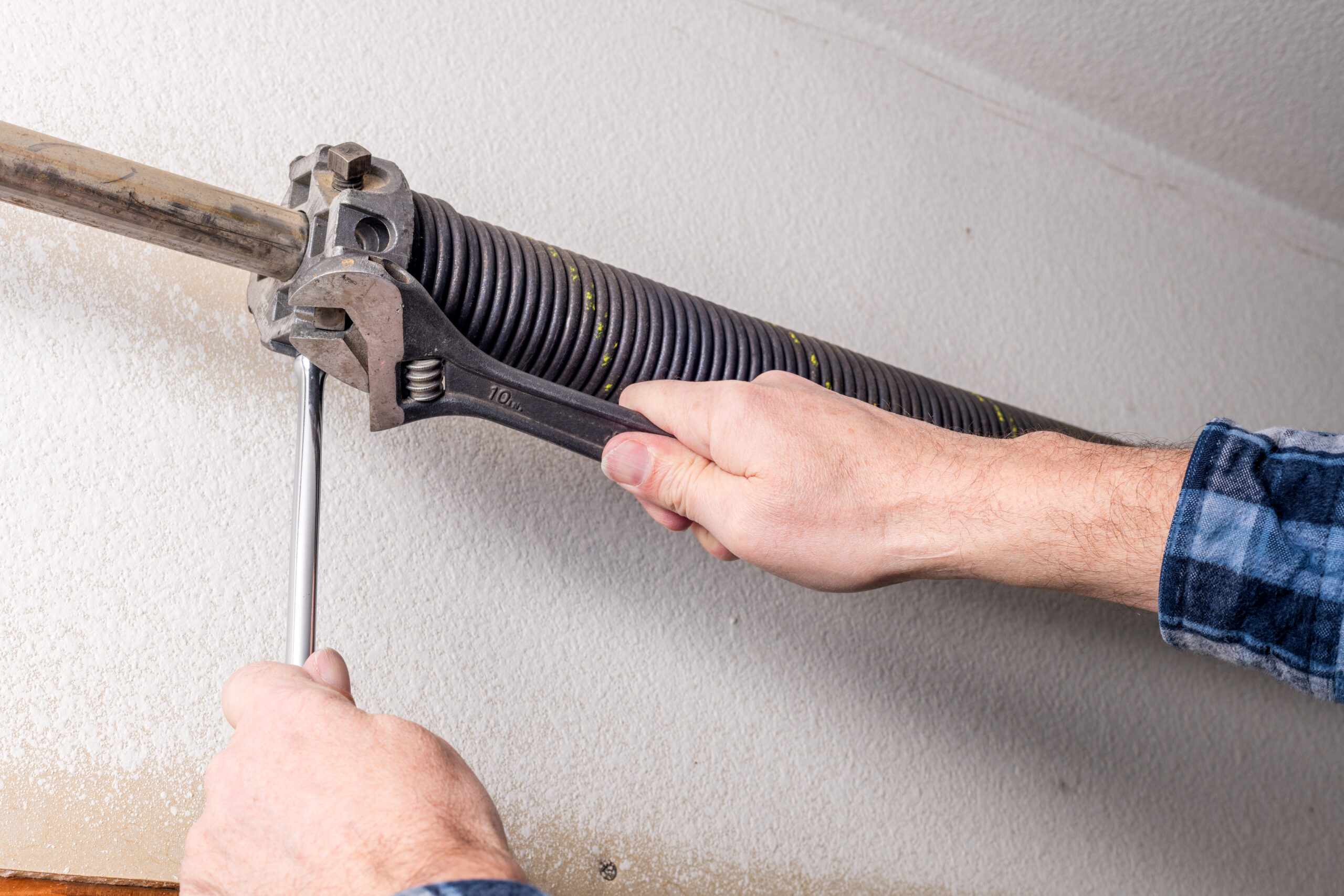
Garage door springs and cables can be under substantial tension. Homeowners should not attempt to loosen, remove, or adjust high-tension components themselves. If a spring, cable, bracket, or other critical component appears damaged, contact a trained garage door professional.
Safety is more important than turning every maintenance task into a DIY project.
Preparing for winter is a convenient reminder to check the garage door’s safety features.
Start with the photoelectric sensors near the bottom of the door opening. Make sure they are clean, securely positioned, and free from stored items or other obstructions.
Minnesota garages can get messy during winter. Snow shovels, boots, sleds, hockey equipment, snowblower accessories, and other seasonal gear often end up near the garage door. Make sure nothing blocks the sensor path.
You should also follow your garage door opener manufacturer’s instructions for testing the automatic reversal system.
If the safety system does not work correctly, discontinue unnecessary operation of the door until the problem can be evaluated.
If your garage feels noticeably colder near the garage door, check for gaps around the perimeter.
Sometimes the problem is simply deteriorated weatherstripping. In other cases, an older or poorly insulated garage door may allow more heat transfer than a newer insulated model.
Insulation can be particularly useful for an attached garage or a garage used as a workshop, hobby space, storage area, or entry point into the home.
If you are already considering replacing an older garage door, insulation is an important feature to discuss when comparing options.
Access Garage Door offers residential garage doors in a variety of styles and insulation options designed for Lakes Area homeowners. A new garage door can also provide opportunities to improve appearance, safety, sealing, and overall performance.
Once winter arrives, maintenance becomes an ongoing process.
After snowfall or freezing rain, keep the area immediately in front of the garage door reasonably clear. Snow, slush, and water can accumulate along the bottom seal and freeze when temperatures fall.
If your garage door appears frozen to the ground, do not repeatedly operate the opener or force the door upward.
First determine whether ice is holding the bottom seal to the surface. Forcing a frozen door can damage the weather seal and place unnecessary strain on the garage door or opener.
Carefully clearing snow and ice from around the opening throughout winter is one of the simplest ways to reduce this problem.
Minnesota winter storms can occasionally interrupt electrical service, so homeowners should know how their garage door operates when the power goes out.
Locate the emergency release mechanism and review the instructions provided by your opener manufacturer before you actually need it.
Keep in mind that the garage door should be properly balanced and in good working condition before attempting manual operation. A door with a broken spring or another mechanical problem can be extremely heavy and potentially dangerous.
Some modern garage door openers also offer battery backup capabilities. If dependable garage access during an outage is particularly important for your household, ask whether your current opener supports backup power or whether an updated opener would better meet your needs.
Preventive garage door maintenance in Minnesota is particularly useful because winter is an inconvenient time to discover that your garage door has a worn component.
Consider professional service if you notice:
Some maintenance can be handled by homeowners, but repairs involving springs, cables, door balance, tracks, or other high-tension components are better left to an experienced technician.
Not every winter maintenance issue means you need a new garage door.
If the door is generally in good condition, replacing weatherstripping or repairing a worn component may be enough. However, winter preparation can reveal problems that make replacement worth considering.
An older door may be a candidate for replacement if it is consistently drafty, warped, damaged, unreliable, difficult to operate, or requiring frequent repairs.
Homeowners shopping for a replacement should consider more than appearance. For a Minnesota home, it is also helpful to discuss insulation, construction, weather sealing, durability, opener compatibility, and how the door will perform in cold conditions.
Access Garage Door installs residential garage doors throughout the Brainerd Lakes Area and offers options suitable for Minnesota weather.
Before temperatures drop, use this quick checklist:
A few preventive steps in the fall can make it easier to identify problems before a Minnesota cold snap arrives.
Your garage door works hard all year, but Minnesota winter can be particularly demanding. Freezing temperatures, snow, ice, moisture, and road salt make fall an ideal time to give the entire system some attention.
Good garage door winter maintenance starts with simple steps: inspect seals, clean the door, check safety features, watch and listen to the door in operation, and look for obvious wear. Just as importantly, know which repairs should be left to a professional.
A properly maintained garage door should operate smoothly and reliably regardless of the season. Preparing ahead of time can also help you recognize when an aging garage door or opener may need professional repair or eventual replacement.
Access Garage Door provides garage door repair, installation, opener service, and maintenance for homeowners throughout Brainerd and the surrounding Brainerd Lakes Area. If you have questions about the condition of your garage door, winter maintenance, repairs, or replacement options, the team can help you determine what your particular system needs.
Access Garage Door
8998 County Road 144
Brainerd, MN 56401
Phone: (218) 537-8157
Email: ryan@accessgd.com