Fall is the ideal time to make sure your garage door is ready for another Minnesota winter. Small problems like worn weather seals, unusual noises, slow movement, or visible corrosion can become much more noticeable once freezing temperatures, snow, and ice arrive. Learn seven signs your garage door may need attention before fall turns to winter—and what homeowners can do to help keep their garage door operating safely and reliably during the cold months ahead.
Fall in Central Minnesota never seems to last quite long enough. Additionally, one week you are enjoying comfortable temperatures and changing leaves. This is a reminder for garage door maintenance.
While homeowners are preparing furnaces, outdoor faucets, gutters, and snow removal equipment for colder weather, the garage door can be easy to overlook. However, fall is one of the best times to inspect it.
A garage door that seems merely noisy, drafty, or sluggish in September can become more inconvenient when temperatures plunge. Additionally, performing garage door maintenance before Minnesota’s coldest weather arrives helps you spot wear. It also allows addressing minor concerns and determining whether replacement makes sense.
Here are seven signs your garage door deserves some attention before fall gives way to another Minnesota winter.
Garage doors are not silent. Between the opener, rollers, hinges, springs, and other moving components, some sound during operation is normal.
What matters is a noticeable change.
If a garage door that once operated relatively quietly begins squeaking, grinding, scraping, rattling, or popping, pay attention. New noises can indicate wear, inadequate lubrication, loose components, alignment problems, or another issue within the system.
This is particularly important when you prepare a garage door for winter. Cold temperatures can affect materials and lubricants, making an existing issue more noticeable.
Operate your garage door through a complete cycle and listen carefully. Ask yourself:
Some squeaking may be related to normal maintenance, but persistent or significant noises deserve further inspection.
A properly functioning garage door should move in a controlled and relatively smooth manner.
If your door hesitates, shakes, moves unevenly, or suddenly begins operating more slowly, do not ignore the change.
Several parts of the garage door system work together to lift and lower a door that can weigh hundreds of pounds. Springs help counterbalance the weight, while rollers travel through tracks and cables contribute to controlled movement.
Problems within this system can cause unusual operation.
Watch the door from inside the garage as it opens and closes. Look for a door that:
These symptoms do not automatically mean you need a new garage door. However, they do indicate that the system deserves attention.
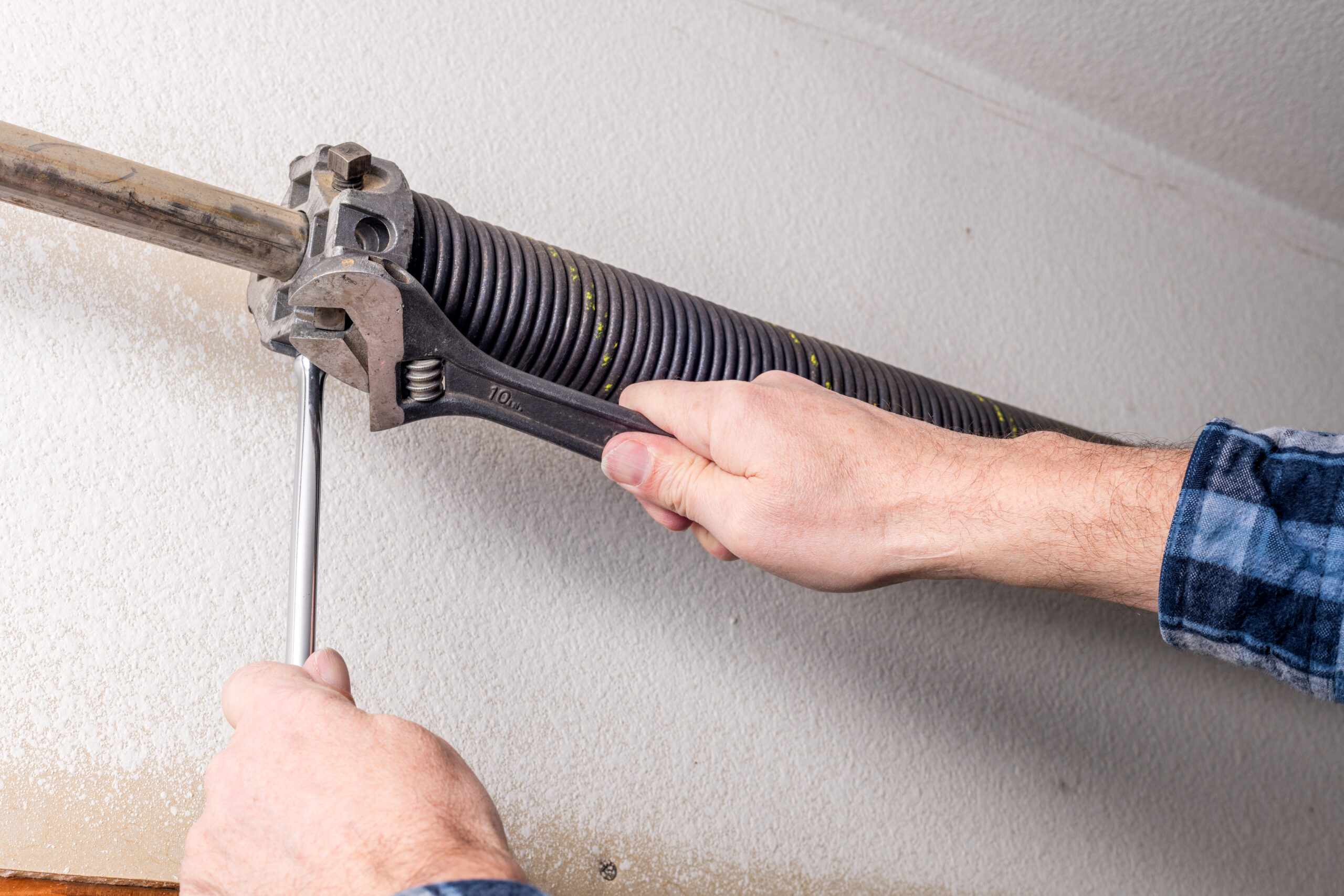
This is also one area where homeowners should be careful with DIY repairs. Garage door springs, cables, and related components can be under significant tension and should be inspected and repaired by a trained technician when problems are suspected.
A visual inspection is one of the simplest parts of Minnesota garage door maintenance, and fall is an excellent time to perform one.
With the garage door closed, look over the system without attempting to loosen, adjust, or remove components.
Look for signs such as:
The purpose of this inspection is not to diagnose or repair every problem yourself. It is simply to become familiar with your garage door and recognize when something looks different.
Pay particular attention to cables and springs. These components are critical to the operation of the garage door and can be dangerous to repair without proper training and tools.
If something appears damaged, avoid adjusting it yourself.
One of the most noticeable signs that it is time for cold weather garage door maintenance is a draft.
Close the garage door during daylight and look around its perimeter. If you can see significant daylight around the sides, top, or bottom, the weatherstripping may no longer be creating an effective seal.
You can also check for obvious drafts on a cool or windy day.
Weather seals naturally wear over time. The bottom seal repeatedly contacts the garage floor, while perimeter weatherstripping is exposed to sunlight, moisture, temperature changes, and ordinary aging.
Before you winterize a garage door, look for weatherstripping that is:
Worn seals can allow cold air, blowing snow, moisture, leaves, and other debris into the garage.
For attached garages, sealing can be particularly noticeable because the garage shares part of the home’s structure. If you use your garage as a workshop, storage space, hobby area, or regular entrance to the house, reducing drafts may also make the space more comfortable.
If your garage door is older and consistently drafty even with good weatherstripping, it may also be worth considering whether a newer insulated garage door would better suit your home.
When your garage door closes, it should meet the floor consistently across the opening.
If one side appears higher than the other, the bottom seal does not make consistent contact, or the door seems crooked, something may need attention.
An unevenly closing door can result from several different conditions, which is why professional evaluation is often preferable to guessing at the cause.
This becomes especially important during winter garage door maintenance.
Once snow and freezing temperatures arrive, gaps beneath the door can allow snow, slush, and cold air into the garage. Moisture around the bottom of the door can also freeze, potentially causing the bottom seal to stick to the floor.
Throughout winter, homeowners should keep accumulated snow and ice away from the garage door opening. If the door freezes to the ground, avoid repeatedly activating the opener or trying to force the door open.
Instead, determine whether ice is holding the bottom seal in place and carefully address the ice before operating the door.
Sometimes what appears to be an opener problem can actually involve the garage door itself.
If the opener suddenly sounds strained, takes longer to lift the door, stops partway through a cycle, or behaves inconsistently, the system should be evaluated.
Your opener is designed to operate a properly functioning garage door. It should not have to compensate for a door that is binding, poorly balanced, or experiencing a mechanical problem.
Signs to watch for include:
Before assuming the opener needs replacement, have the complete garage door system considered.
Access Garage Door services garage door openers as well as doors, springs, cables, tracks, and other components, making it possible to identify whether the problem originates with the opener or another part of the system.
Fall is also a good time to review your opener’s safety features. Keep photoelectric sensors clean and unobstructed and follow the opener manufacturer’s instructions for testing its automatic reversal system.
Sometimes the biggest warning sign is not a single broken component. It is a combination of age, wear, repeated repairs, poor sealing, and declining performance.
A well-maintained garage door can provide years of dependable operation, but no door lasts forever.
As you complete garage door maintenance in Minnesota, consider the overall condition of your door.
Has it needed multiple repairs recently? Are the panels damaged or deteriorating? Does it let in significant drafts? Is it becoming increasingly noisy or unreliable? Does it lack the insulation you would prefer for an attached garage?
If several issues are occurring at once, replacement may be worth comparing with continued repairs.
A new garage door can offer benefits beyond resolving a mechanical problem. Depending on the model selected, homeowners may gain improved insulation, updated weather sealing, smoother operation, modern styling, and a refreshed exterior appearance.
Access Garage Door installs new residential garage doors for both replacement projects and new construction throughout Brainerd and the surrounding Lakes Area. Homeowners can compare styles and insulation options based on their home, garage use, budget, and priorities.
There is nothing magical about the first day of fall that changes how a garage door operates. The advantage is timing.
Inspecting your door before winter gives you a chance to notice problems before extreme cold, snow, and ice complicate matters.
Fall garage door winter maintenance can include:
Preventive attention is particularly valuable in Minnesota because winter weather can expose weaknesses in a garage door system at an inconvenient time.
Finding one of these warning signs does not necessarily mean your garage door needs to be replaced.
A relatively minor issue may require maintenance or a straightforward repair. A worn bottom seal, for example, is very different from an aging door with damaged panels, recurring mechanical issues, poor insulation, and multiple worn components.
The better question is whether the garage door still meets your needs safely and reliably.
If you are deciding between repair and replacement, consider the door’s overall condition, age, repair history, appearance, insulation, and how reliably it operates.
Access Garage Door works on all major garage door and opener brands and provides both repair and new-door installation services. That allows homeowners to evaluate the condition of their existing system and determine which approach makes the most sense rather than assuming replacement is always necessary.
Minnesota winter asks a lot from a home, and the garage door is no exception.
You do not need to wait until a garage door stops working completely to give it attention. New noises, sluggish movement, worn seals, visible damage, uneven closing, opener problems, and general age can all be useful warning signs.
Taking a little time for Minnesota garage door maintenance during fall can help identify concerns before snow, ice, and freezing temperatures arrive.
Most importantly, know the difference between homeowner maintenance and professional repair. Cleaning, visual inspections, and checking for drafts are reasonable homeowner tasks. Springs, cables, counterbalance systems, and other high-tension components should be left to trained professionals.
A garage door that is maintained and operating properly is easier to rely on when Minnesota weather becomes less forgiving.
Access Garage Door provides garage door repair, installation, opener service, and maintenance for homeowners in Brainerd and throughout the Brainerd Lakes Area. If you have questions about unusual garage door operation, seasonal maintenance, repairs, or whether an older door may be ready for replacement, the team can help you understand the available options.
Access Garage Door
8998 County Road 144
Brainerd, MN 56401
Phone: (218) 537-8157
Email: ryan@accessgd.com