Garage door frozen to the ground? Learn why it happens, how to safely deal with ice buildup, and ways to prevent it during Minnesota winters.
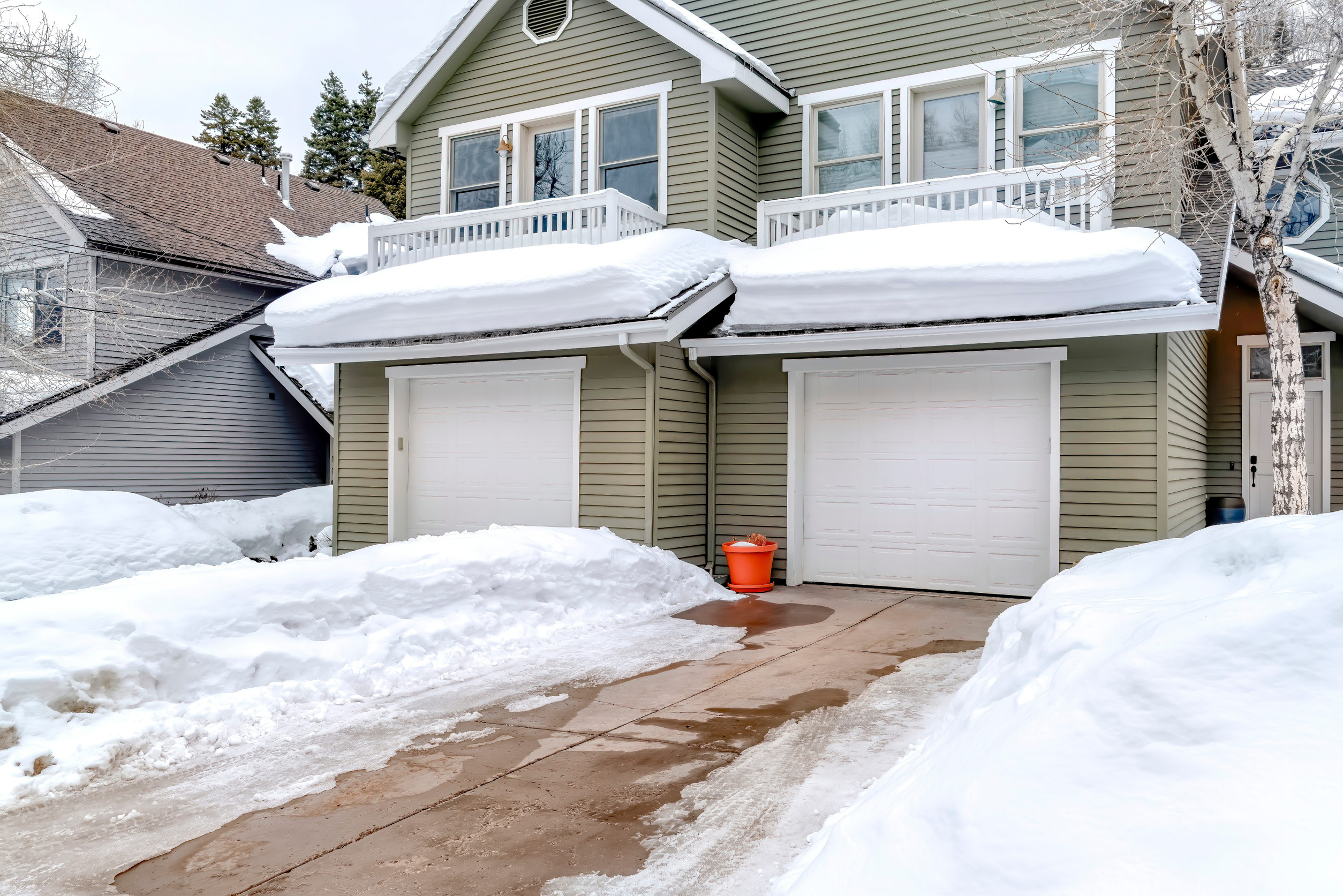
It’s a freezing Minnesota morning. You’re ready to leave for work, and you press the garage door opener. Instead of lifting, the door stays firmly in place. If you’re wondering what to do if your garage door is frozen to the ground, start with safety checks.
Additionally, if you’ve ever dealt with a garage door frozen to ground, you know how frustrating it can be.
Winter in Brainerd and the surrounding Lakes Area brings snow, ice, freezing rain, and frequent temperature changes. Additionally, these conditions can cause moisture to collect around the bottom of your garage door and freeze overnight.
Fortunately, a frozen garage door doesn’t always mean something is broken.
Additionally, it explains what to do if your garage door is frozen to the ground.
Understanding why your door becomes stuck helps you address the issue safely.
Additionally, knowing how to handle the situation prevents further problems.
This guidance protects your garage door system during Minnesota’s long winter season.
Most residential garage doors have a flexible rubber or vinyl seal along the bottom edge.
This weather seal helps prevent cold air, moisture, dirt, and blowing snow from entering the garage.
When the door closes, the seal presses against the concrete floor to create a barrier.
Unfortunately, that contact also creates an opportunity for moisture to freeze between the seal and the concrete.
Additionally, during Minnesota winters, temperatures can rise above freezing during the day and drop well below freezing overnight.
Snow near the garage entrance may partially melt during warmer periods. Water can then collect beneath the garage door.
Additionally, when temperatures fall, that moisture freezes and bonds the bottom seal to the concrete.
Consequently, the result is a frozen garage door that may be difficult or impossible to open normally.
Even a relatively thin layer of ice can create enough resistance to prevent the door from lifting.
Although freezing temperatures are the immediate cause, several conditions can make the problem more likely.
Vehicles carry snow and slush into the garage during winter.
Additionally, as the snow melts, water can travel toward the garage door opening.
If that moisture reaches the bottom weather seal and freezes, the door may become stuck.
Additionally, this is especially common when temperatures fluctuate throughout the day.
A garage floor should direct water appropriately.
However, drainage problems or uneven concrete may allow moisture to collect near the opening.
When water repeatedly pools beneath the door, freezing can become a recurring issue.
Over time, garage door bottom seals can become cracked, flattened, or damaged.
A deteriorated seal may allow water into areas where it becomes trapped.
Older weatherstripping may also lose flexibility during extreme cold, making it less effective at maintaining consistent contact with the floor.
Blowing snow can accumulate directly against the garage door.
When that snow partially melts and refreezes, it may form an ice ridge along the bottom edge.
This buildup can prevent normal movement or hold the weather seal against the concrete.
First, if your garage door is stuck in ice, avoid forcing it open. Additionally, do not apply force.
A garage door opener is designed to move a properly functioning, balanced door. It is not intended to break through ice holding the door to the floor.
Repeatedly activating the opener may strain the motor, damage the bottom seal, or place unnecessary stress on other components.
Instead, follow a careful approach.
Additionally, if the door doesn’t move normally, stop pressing the opener button.
Continuing to operate a stuck door causes trouble.
However, it worsens.
Do not increase the opener’s force settings to overcome the resistance.
Additionally, from inside or outside the garage, inspect the area where the bottom seal meets the concrete.
Look for:
If you cannot clearly identify ice holding the door down, don’t assume freezing is the only problem.
Additionally, a broken spring, damaged cable, or other mechanical issue may also prevent the door from opening.
Use a broom or plastic snow shovel to carefully clear loose snow around the garage opening.
Avoid striking the garage door or scraping directly against the rubber weather seal.
Metal tools and sharp objects can tear weatherstripping or damage the bottom edge of the door.
Additionally, if the bottom seal is visibly frozen to the concrete, gentle warming may help melt the ice.
A hair dryer on a moderate setting may be useful for a small, accessible area, provided it can be operated safely away from standing water and moisture.
Keep electrical equipment dry and follow the manufacturer’s safety instructions.
Avoid open flames, torches, or other high-temperature heating methods.
Do not pour boiling water onto the frozen seal. Additionally, sudden temperature changes may damage materials, and the added water can refreeze.
Additionally, once the ice has melted, check whether the bottom seal is visibly free of the concrete.
If the door remains stuck, stop troubleshooting rather than pulling, prying, or repeatedly activating the opener.
A professional garage door technician can determine whether ice is still present or another problem is preventing operation.
Additionally, a garage door may weigh hundreds of pounds, depending on its size and construction.
Its springs, cables, rollers, tracks, and opener work together to control that weight.
When ice holds the bottom of the door in place, the system may experience abnormal resistance.
If the opener pulls against a frozen seal, the rubber may tear or separate from its retaining channel.
This can leave gaps that allow cold air and moisture into the garage.
Repeated attempts to lift a stuck door may place unnecessary stress on the opener.
Although modern openers include protective features, those systems are not a substitute for removing the obstruction.
Abnormal resistance can also affect other parts of the garage door system.
A door that becomes uneven, makes unusual noises, or stops operating normally should be inspected before further use.
However, the safest solution is to release the ice without forcing the door.
The best way to deal with a frozen garage door is to reduce the conditions that allow ice to form in the first place.
While Minnesota weather makes some ice buildup unavoidable, a few maintenance habits can help.
Regularly remove snow from the area immediately outside the garage door.
Pay particular attention to snow that collects against the bottom seal.
Clearing the opening before temperatures drop can help reduce the amount of moisture available to freeze.
If water repeatedly pools along the garage threshold, investigate where it comes from.
Possible causes include melting snow from vehicles, poor exterior drainage, or uneven concrete.
Addressing the source of moisture may provide a more lasting solution than repeatedly melting ice.
Check the weatherstripping for cracks, tears, flattening, or missing sections.
A properly fitted seal helps limit water and snow intrusion.
However, even a new seal can freeze to wet concrete, so weatherstripping replacement alone may not eliminate the problem.
Dirt, leaves, gravel, and other debris can interfere with how the bottom seal contacts the floor.
A clean threshold allows the seal to sit more evenly and makes ice buildup easier to identify.
If the garage entrance regularly collects water, improvements to drainage or the concrete surface may be necessary.
A garage door technician can evaluate the door’s fit and sealing, while significant concrete or drainage problems may require another qualified contractor.
Regular maintenance helps identify mechanical issues that might otherwise be mistaken for a frozen door.
Inspect visible components, listen for unusual noises, and follow the manufacturer’s recommendations for lubrication and safety testing.
These steps can help support reliable operation throughout winter.
When homeowners discover ice under a garage door, applying rock salt may seem like an easy solution.
However, deicing products deserve careful consideration.
Some ice-melting chemicals can contribute to corrosion on metal components or deterioration of certain concrete surfaces.
They may also leave residue that gets tracked into the garage.
Before applying a deicer near the door, check the product’s instructions and compatibility with the surrounding materials.
Avoid allowing chemical residue to accumulate around exposed hardware or the bottom of the door.
For recurring ice problems, improving drainage and controlling moisture are generally more useful long-term strategies.
Replacing worn weatherstripping can improve the door’s protection against drafts, blowing snow, and moisture.
A properly fitted bottom seal may also help reduce gaps caused by normal wear.
However, it is important to understand what a new seal can and cannot do.
If water continues collecting beneath the door, freezing may still occur.
The most effective approach often involves a combination of:
If the bottom seal is damaged or no longer fits properly, professional weatherstripping replacement may help restore normal sealing performance.
Sometimes a garage door appears frozen when the real problem involves another component.
If you’ve cleared visible ice and the door remains stuck, avoid assuming the issue has been resolved.
Other possible causes include:
A mechanical problem may be more likely if:
These symptoms deserve professional attention.
Garage door springs and cables can remain under significant tension, even when the door is not moving.
Never attempt to adjust or repair these components yourself.
A garage door that occasionally freezes to the concrete may simply require better snow removal and moisture management.
However, recurring freezing or unusual operation can indicate a problem worth investigating.
Professional service may be appropriate when:
A trained technician can inspect the door, evaluate its weather seals, and determine whether repairs or adjustments are necessary.
A garage door frozen to ground can be an inconvenient surprise, especially when you’re trying to leave home on a cold Minnesota morning.
Fortunately, the problem is often caused by something straightforward: moisture collecting beneath the bottom weather seal and freezing when temperatures drop.
The most important thing is to avoid forcing the door open.
Carefully removing snow, allowing ice to melt, and identifying the source of moisture can help protect the garage door and its components.
For homeowners throughout Brainerd and the surrounding Lakes Area, keeping the threshold clean, maintaining weatherstripping, and addressing recurring drainage problems can reduce the likelihood of future freezing.
And when the door remains stuck or shows signs of mechanical damage, professional inspection can help identify the safest solution.
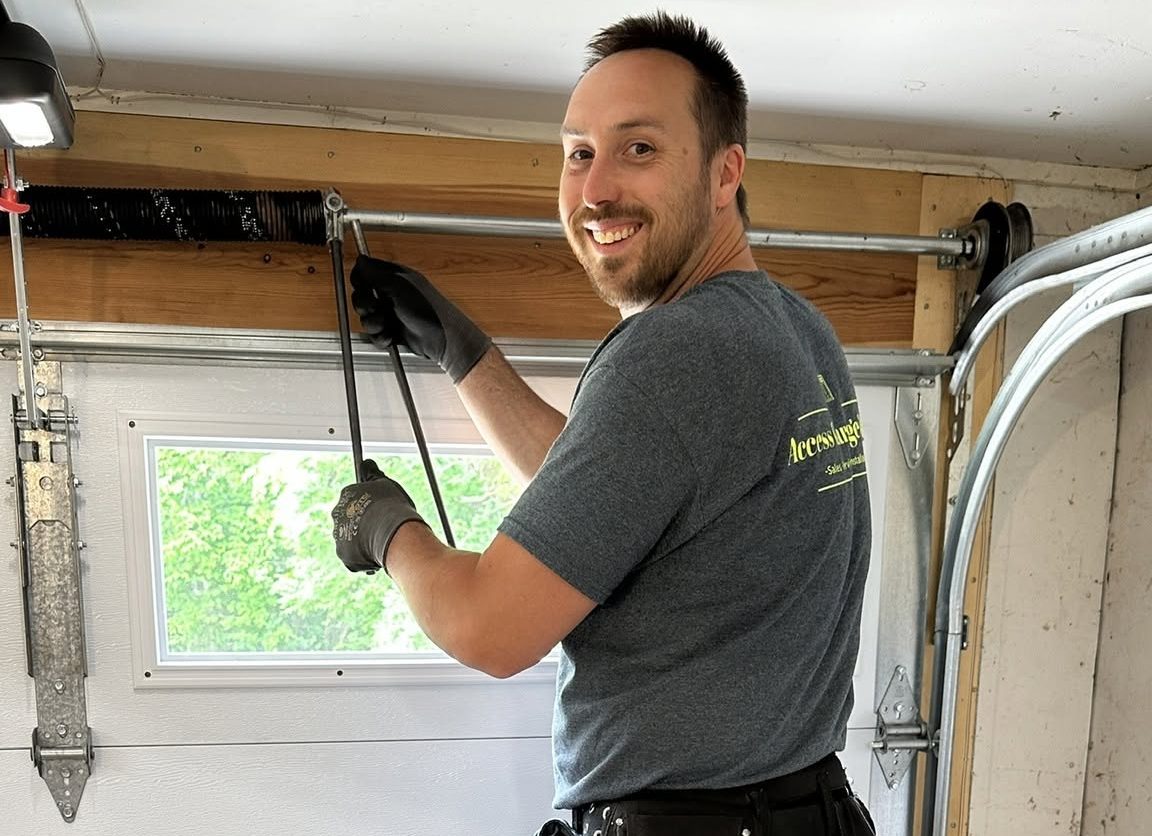
Access Garage Door provides garage door repair, installation, opener service, and weatherstripping replacement for homeowners throughout Brainerd and the surrounding Lakes Area.
If your garage door repeatedly freezes to the ground, has damaged weather seals, or isn’t operating normally after ice has been removed, the team can help evaluate the system and explain appropriate repair options.
Access Garage Door
8998 County Road 144
Brainerd, MN 56401
Phone: (218) 537-8157
Email: ryan@accessgd.com