A small gap around your garage door may not seem important in September, but Minnesota winter can make it much more noticeable. Worn garage door weatherstripping can allow cold air, blowing snow, moisture, and debris into the garage. Inspecting the bottom seal and perimeter weather seals before temperatures drop can help you identify cracks, gaps, and deterioration before winter arrives. Here’s what Brainerd-area homeowners should know about garage door weatherstripping, when it may need replacement, and how proper sealing helps prepare a garage for cold weather.
When preparing a Minnesota home for winter, garage door weatherstripping probably isn’t the first thing that comes to mind. Homeowners are often more focused on furnaces, outdoor faucets, gutters, snowblowers, and all the other projects that come with the changing seasons.
But take a look around your garage door the next time it is closed.
Can you see daylight along the bottom? Feel a draft around the sides? Is the rubber seal cracked, flattened, or pulling away from the door?
Those seemingly small issues can become much more noticeable when temperatures drop below freezing and winter winds begin blowing snow against your home.
Garage door weatherstripping helps create a barrier between your garage and the outdoors. It won’t make an unheated garage warm, but properly fitted seals can help reduce air leakage while limiting the amount of snow, moisture, dirt, leaves, and other debris that enters around the door.
For homeowners in Brainerd and throughout Central Minnesota, early fall is a good time to inspect these relatively simple but important parts of the garage door system.
Garage door weatherstripping refers to the flexible materials used to seal gaps between the garage door and the surrounding opening.
Unlike a conventional exterior door, a garage door is large and contains multiple moving sections. It needs enough clearance to open and close freely, which makes properly fitted seals especially important.
Several types of seals may work together around a typical residential garage door.
The garage door bottom seal is attached along the lower edge of the door and compresses against the garage floor when the door closes.
This seal has an especially demanding job in Minnesota. It repeatedly contacts the floor while also facing water, snow, ice, road salt, dirt, and changing temperatures.
A good bottom seal helps close the space between the door and floor, including minor variations in the surface.
Weatherstripping around the sides and top of the opening helps seal the perimeter of the closed garage door.
Depending on the system, this may include flexible vinyl, rubber, or similar material positioned so the closed door presses against it.
Together, these components create a garage door weather seal around much of the door’s perimeter.
Weatherstripping is useful year-round, but winter makes its condition especially noticeable.
The U.S. Department of Energy identifies weatherstripping as a method of air sealing used around movable building components such as doors. Reducing uncontrolled air leakage can improve comfort and help a building’s overall thermal performance.
For a Minnesota garage, proper sealing offers several practical benefits.
If you feel cold air around the garage door, the weatherstripping is one of the first places worth inspecting.
Even an insulated garage door may feel drafty if significant gaps exist around its perimeter.
This can be particularly noticeable in an attached garage, heated garage, workshop, or garage that serves as your household’s primary entrance.
Weatherstripping does not replace insulation. Instead, the two serve different purposes. Insulation slows heat transfer through building materials, while air sealing helps limit uncontrolled airflow through gaps and openings.
For the best overall performance, both matter.
Minnesota snow does not always fall straight down.
Wind can push light, powdery snow into surprisingly small openings. If the seal along the bottom or sides of your garage door has deteriorated, you may find snow accumulating inside the garage after a windy storm.
Once inside, that snow melts.
Now you have moisture on the garage floor, where it can refreeze near the opening when temperatures fall again.
A properly fitted garage door winter seal helps reduce opportunities for blowing snow to enter around the perimeter.
Weatherstripping also helps keep rain, leaves, dirt, insects, and other outdoor debris from entering around the garage door.
It cannot make a garage completely weatherproof or watertight, and water management around the driveway and garage opening still matters. However, deteriorated seals can make it easier for outside conditions to reach the interior.
For Minnesota homeowners, fall is an especially practical time to address these gaps before months of snow and ice arrive.
You do not need specialized equipment to perform a basic visual inspection.
Close the garage door and examine the seal along the bottom, sides, and top.
Here are some common signs that it may be time to replace garage door weatherstripping.
Visible daylight is one of the easiest clues.
Stand inside the garage during daylight hours with the door fully closed. Look around the perimeter without staring directly at bright sunlight.
Small variations may occur depending on the door and opening, but obvious gaps can indicate that a seal is missing, worn, improperly positioned, or no longer making consistent contact.
Weatherstripping should remain flexible enough to create a seal as the door closes.
Over time, exposure to sunlight, moisture, temperature extremes, and normal aging can cause materials to harden or crack.
If the seal feels brittle or has visible splits, it may no longer perform as intended.
The garage door bottom seal is compressed every time the door closes.
Eventually, the material may remain flattened instead of returning to its original shape. That can leave gaps between the bottom of the door and the floor.
Look across the entire width of the door rather than inspecting only one corner.
A weather seal cannot work effectively if pieces are missing.
Look for torn areas, loose sections, or portions that have pulled away from their mounting location.
Damage may be especially noticeable near the lower corners, where weather, dirt, moisture, and everyday use can take a toll.
On a cool or windy day, stand near the closed garage door and check whether you can feel obvious air movement.
Drafts can come from several sources, so they do not automatically prove that weatherstripping is the problem. However, airflow that corresponds with visible gaps or damaged seals provides a good reason for closer inspection.
If you repeatedly find snow, leaves, or moisture immediately inside the garage door, inspect the seals.
The issue could also involve the slope of the driveway, drainage, door alignment, or another condition, so weatherstripping should not automatically receive all the blame.
Still, damaged or missing seals are worth ruling out.
Yes—but expectations should be realistic.
Replacing worn garage door weatherstripping can help reduce drafts and outside air infiltration. That may make a noticeable difference in a garage where large gaps previously existed.
However, weatherstripping alone cannot turn an uninsulated garage into a warm room.
Garage comfort depends on several factors, including:
Think of weatherstripping as one component of the garage’s overall weather barrier.
This distinction is especially important if you are considering a new garage door primarily for energy efficiency. A properly fitted insulated door combined with effective perimeter sealing may offer better thermal performance than focusing on either feature alone.
Some weatherstripping projects may be manageable for homeowners who are comfortable with basic home maintenance. Others are better handled by a garage door professional.
The difficulty depends on the type of seal, the door design, how the weatherstripping is attached, and whether another garage door problem is contributing to the gap.
For example, replacing a worn seal will not necessarily solve the problem if the garage door itself is crooked, damaged, improperly positioned, or not closing correctly.
Before replacing anything, determine whether the problem really is the weatherstripping.
You can generally perform a visual inspection without making adjustments to the garage door mechanism.
Look for:
You can also gently clean accumulated dirt from weatherstripping according to the door or seal manufacturer’s care recommendations.
If the gap appears related to door alignment, tracks, cables, springs, rollers, or another mechanical component, professional inspection is the safer choice.
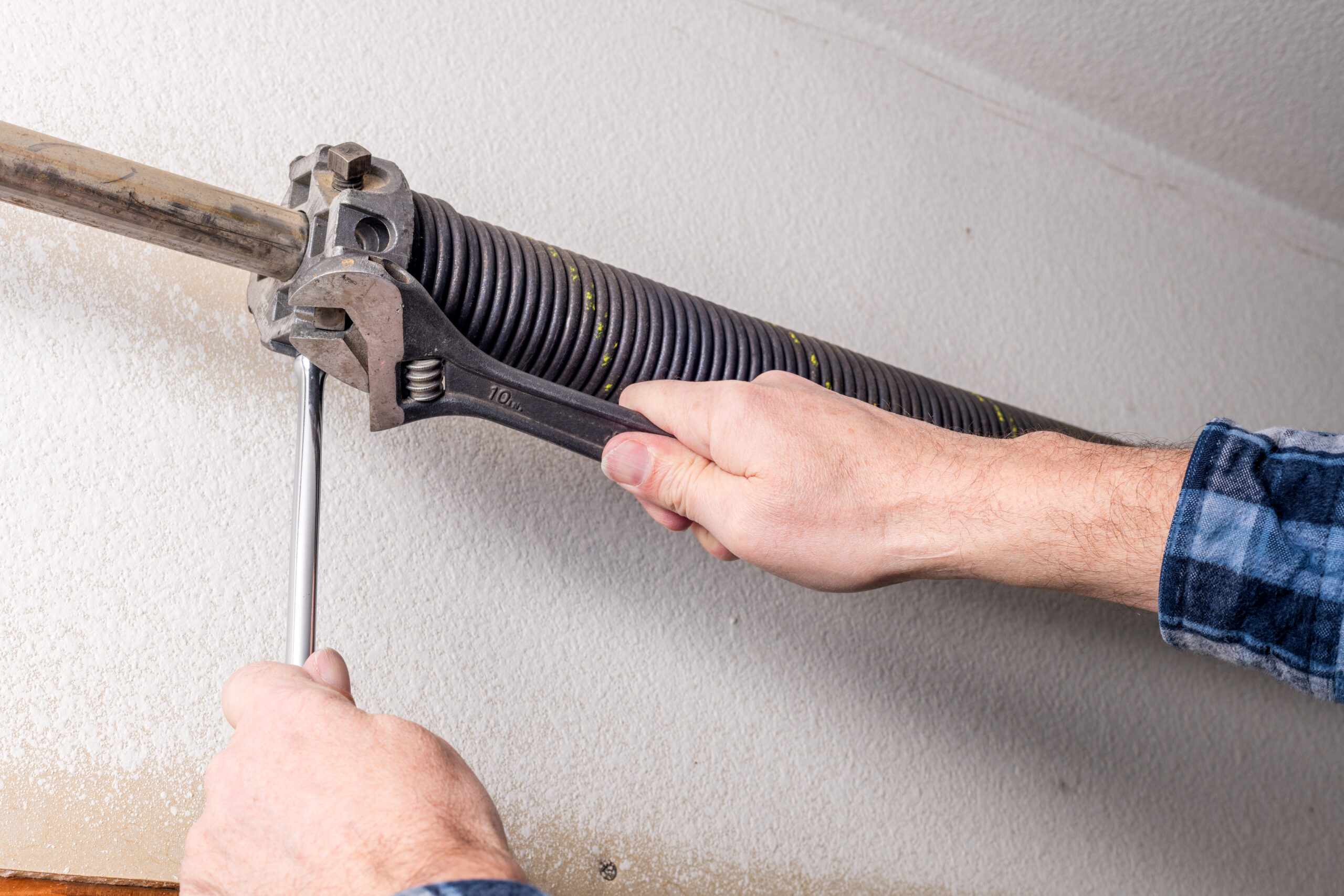
Garage door springs and cables can be under significant tension. They should not be adjusted simply to try to improve a weather seal.
A professional can determine whether the solution is actually new weatherstripping or whether the door needs adjustment, repair, or another type of service.
Finding worn weatherstripping does not automatically mean you need a new garage door.
If the door is otherwise operating smoothly and remains in good condition, replacing deteriorated seals may be all that is necessary.
However, weatherstripping problems can sometimes be one part of a larger pattern.
An older garage door may be worth evaluating for replacement if it also has:
If you are already planning a replacement, weather sealing should be one of the features you discuss when comparing new doors.
For Minnesota homeowners, insulation often gets much of the attention, but the fit and sealing of the complete garage door system matter too.
If you want to weatherproof a garage door before Minnesota winter arrives, start with a broader inspection rather than focusing on one component.
A practical fall checklist includes:
Once winter arrives, continue keeping snow and ice away from the bottom of the garage door.
If the bottom seal freezes to the floor, avoid repeatedly activating the opener or forcing the door upward. Clear the obstruction carefully before operating the door.
Garage door weatherstripping is easy to ignore because, when it is working properly, you probably do not think about it at all.
It becomes much more noticeable when it fails.
Cold air near the garage door, blowing snow on the floor, visible daylight, brittle rubber, and flattened seals are all reasons to take a closer look before Minnesota winter settles in.
A good garage door weather seal will not solve every comfort or efficiency issue in a garage. It will not replace insulation, correct a mechanical problem, or make an unheated space warm. What it can do is help close the gaps around one of the largest moving openings in your home.
For Brainerd-area homeowners, checking those seals during fall is a simple addition to seasonal home maintenance—and one that can help prepare the garage door for the snow, wind, moisture, and cold temperatures ahead.
Access Garage Door provides garage door repair, installation, opener service, and maintenance for homeowners throughout Brainerd and the Brainerd Lakes Area.
If you notice deteriorated weatherstripping, persistent gaps, unusual garage door movement, or another issue while preparing your garage for winter, the team can help determine whether the problem involves the weather seals or another part of the garage door system.
Access Garage Door
8998 County Road 144
Brainerd, MN 56401
Phone: (218) 537-8157
Email: ryan@accessgd.com