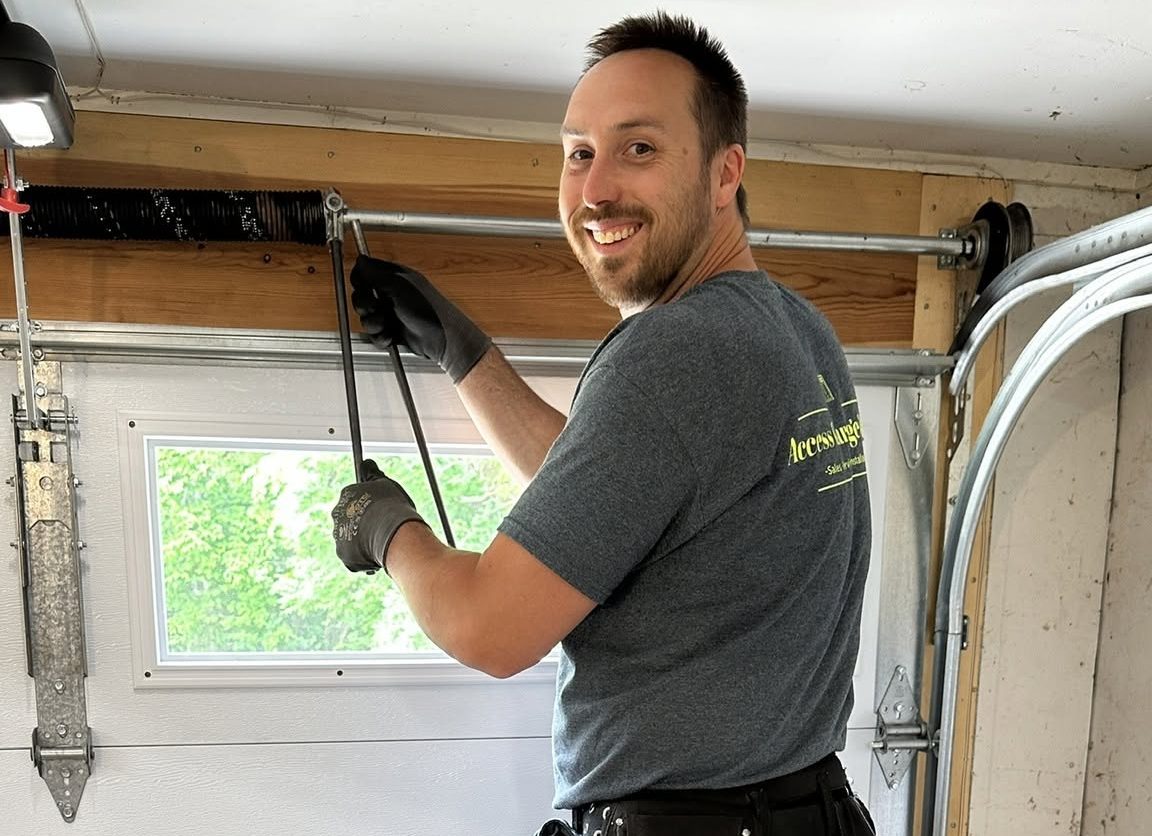
Minnesota’s first snowfall can arrive before homeowners finish their fall maintenance checklist. While preparing your home for winter, don’t overlook the garage door. Worn weatherstripping, noisy rollers, damaged springs, opener problems, and poor door alignment can become more troublesome when freezing temperatures arrive. Taking time to identify garage door problems before winter can help prevent inconvenient breakdowns and improve everyday reliability. This guide covers common warning signs, which maintenance tasks homeowners can safely handle, and when professional garage door repair may be necessary.
Moreover, the first snowfall in Minnesota reminds homeowners of garage door problems to fix before winter and other unfinished tasks.
Additionally, you still need to put away the patio furniture, clean the gutters, or make sure the snowblower is ready. But there’s another important part of your home that deserves attention before temperatures drop: garage door problems to fix before winter.
For many Brainerd-area homeowners, the garage door is one of the most frequently used entrances to the house. It opens and closes throughout the day, protects vehicles and equipment, and helps keep snow, wind, and moisture outside.
When something goes wrong during a freezing Minnesota morning, even a minor issue can quickly become frustrating.
Fortunately, many garage door problems before winter provide warning signs long before the door stops working altogether.
Knowing what to look for can help homeowners address developing problems, plan necessary repairs, and prepare their garage doors for the colder months ahead.
A garage door is a complete mechanical system made up of several components working together.
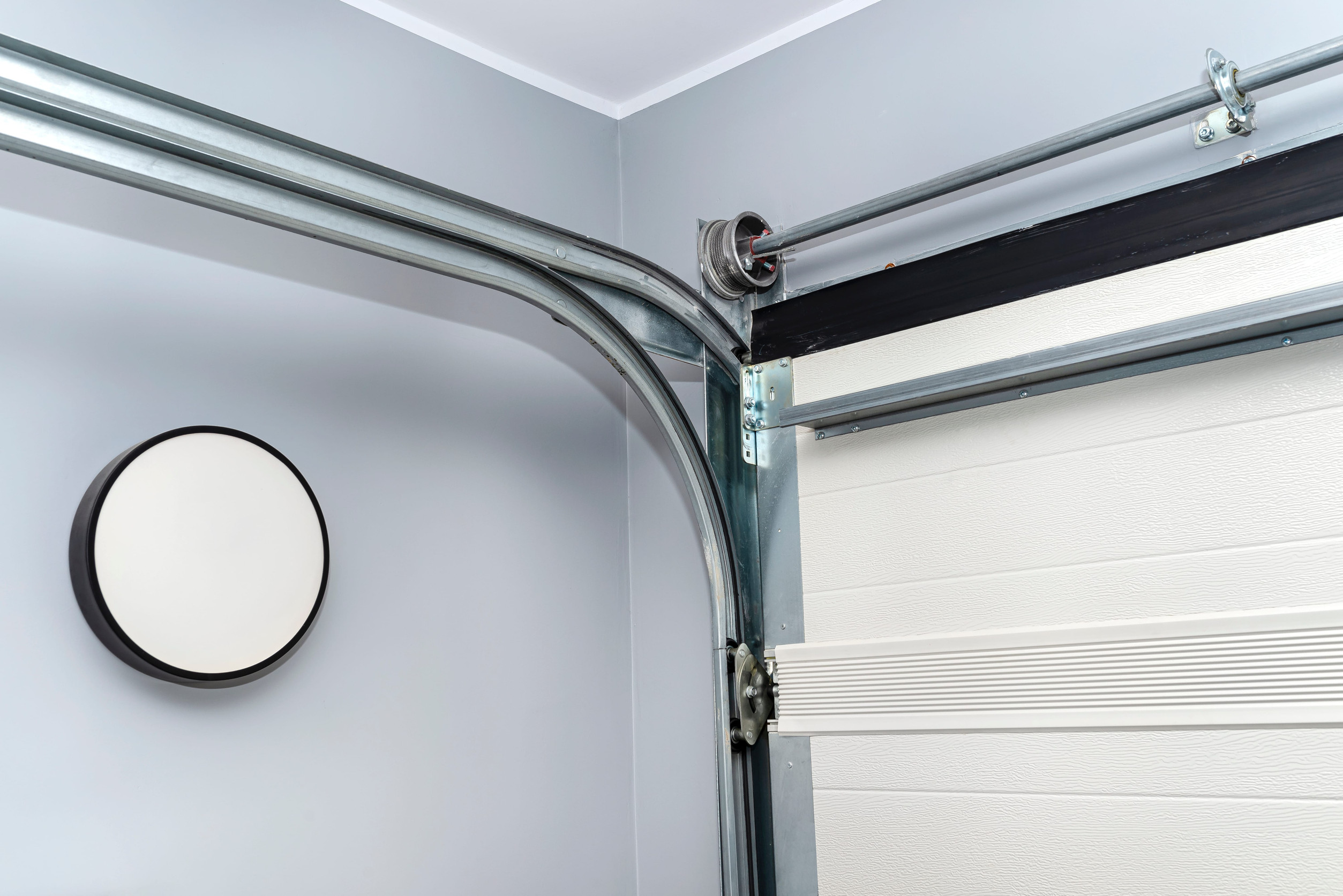
Springs counterbalance the door’s weight. Rollers guide its movement. Tracks keep it aligned. Cables help support and move the door, while weather seals limit unwanted air and moisture around the opening.
Over time, these components experience normal wear.
However, Minnesota’s winter conditions can make existing problems more noticeable. Freezing temperatures, blowing snow, and moisture can interfere with garage door problems to fix before winter.
Additionally, performing garage door maintenance before winter helps address garage door problems to fix before winter while weather remains manageable.
It also helps homeowners distinguish between simple maintenance needs and mechanical problems that require professional attention.
One of the most common garage door problems homeowners notice during winter is cold air entering around the door.
Weatherstripping helps limit drafts, blowing snow, moisture, and debris.
Unfortunately, seals can become cracked, flattened, torn, or brittle over time.
With the garage door fully closed, inspect the bottom and perimeter seals.
Watch for:
Worn weatherstripping does not necessarily mean the garage door needs replacement.
In many cases, replacing the damaged seal can help restore a better fit.
However, if gaps are caused by uneven concrete, damaged panels, or poor door alignment, additional repairs may be necessary.
Your garage door will naturally make some noise while operating.
However, new or increasingly loud sounds should not be ignored.
Squeaking, grinding, rattling, and scraping can indicate worn components, inadequate lubrication, or mechanical problems.
Some lubricants become thicker in colder temperatures, potentially increasing resistance in moving components.
At the same time, existing wear may become more apparent as temperatures change.
If your garage door has been making unusual noises throughout the fall, winter is unlikely to improve the situation.
Pay attention to where the noise occurs and whether the door moves smoothly.
Lubrication may be appropriate for certain components, but homeowners should follow the manufacturer’s instructions rather than applying products indiscriminately.
Persistent grinding, scraping, or uneven movement should be evaluated professionally.
Garage door springs are essential to safe and reliable operation.
They counterbalance much of the door’s weight, allowing it to move without placing the entire lifting burden on the opener.
Springs gradually wear through repeated opening and closing cycles.
Corrosion, fatigue, and improper spring sizing can also affect their service life.
Potential concerns include:
A broken spring can leave a garage door difficult or unsafe to operate.
Because springs are under substantial tension, homeowners should never attempt to adjust, unwind, or replace them without proper training.
A professional winter garage door inspection can help identify spring-related concerns before a failure creates an unexpected inconvenience.
Garage door cables work with the spring system to support and move the door.
Although cables are designed to withstand significant loads, they can deteriorate over time.
Moisture, corrosion, improper alignment, and mechanical wear may contribute to damage.
From a safe distance, look for:
Do not touch or attempt to reposition damaged cables.
Cable problems can involve dangerous tension and may cause the door to move unpredictably.
If you notice signs of deterioration, stop operating the door and have the system evaluated by a trained technician.
An opener that operates inconsistently during fall may become especially inconvenient when winter arrives.
Sometimes the problem is relatively simple, such as a weak remote battery.
Other times, it may involve worn opener components, incorrect settings, or mechanical resistance elsewhere in the garage door system.
Pay attention if:
Start with basic checks, such as replacing a weak remote battery and confirming that nothing is obstructing the opening.
If the opener strains or the door is difficult to move, do not increase force settings to compensate.
The underlying issue may involve the door’s balance, springs, tracks, or other mechanical components.
Modern automatic garage door openers include safety features intended to reduce the risk of injury.
Photoelectric sensors near the bottom of the opening detect obstructions in the door’s path.
Dirt, debris, moisture, or misalignment may interfere with normal operation.
If your garage door refuses to close or reverses unexpectedly, the sensors are one possible cause.
Before the first snow:
Never bypass or disable safety sensors to make the door operate.
If the system continues malfunctioning, professional service may be necessary.
A garage door should move smoothly and remain properly aligned as it opens and closes.
If the door shakes, jerks, scrapes, or appears crooked, something may be interfering with its movement.
Possible causes include worn rollers, damaged tracks, loose hardware, cable problems, or an improperly balanced spring system.
A poorly aligned garage door may place unnecessary strain on its components.
Continued operation can contribute to additional wear or damage.
Inspect the tracks visually for obvious bends, damage, or debris.
Avoid adjusting track brackets, spring hardware, or other structural components yourself.
If the door binds or moves unevenly, professional garage door repair in Minnesota may be appropriate before winter conditions complicate the problem.
Even when weatherstripping appears intact, a gap may remain beneath the closed door.
An uneven garage floor, worn bottom seal, or improper door fit can prevent consistent contact with the concrete.
During winter, these gaps may allow blowing snow, moisture, and cold air into the garage.
The solution depends on the cause.
A compatible replacement bottom seal may accommodate minor irregularities.
More significant gaps may require addressing the concrete surface or correcting a door-fitting problem.
Avoid forcing the door downward or changing opener settings to compensate for an uneven floor.
The goal is to achieve an appropriate seal while preserving smooth and safe door operation.
Minnesota garages are exposed to plenty of moisture during winter.
Vehicles carry snow, slush, and road salt inside. As that material melts, moisture can accumulate on the floor and around garage door hardware.
Over time, these conditions may contribute to corrosion.
Look at accessible, visible components such as:
Surface discoloration does not automatically mean a component has failed.
However, significant corrosion or deterioration should be evaluated, particularly when it affects springs, cables, or structural hardware.
Keeping the garage reasonably clean and managing standing water can help reduce unnecessary exposure.
A door that stops slightly above the floor may seem like a minor inconvenience during warmer weather.
Once snow and cold wind arrive, the gap can become much more noticeable.
Incomplete closure may result from an obstruction, damaged hardware, opener issues, or poor alignment.
It can also indicate a safety concern.
If the door does not close properly, inspect the opening for obvious obstructions.
Do not repeatedly force the door closed or adjust opener force settings without identifying the cause.
A trained technician can determine whether the issue involves the opener, door hardware, alignment, or another component.
A basic garage door winter checklist can help homeowners identify potential problems before the first significant snowfall.
Use the following steps as part of your fall home maintenance routine.
These checks do not replace professional maintenance, but they can help identify problems worth investigating.
Some garage door maintenance tasks are appropriate for homeowners.
Others require professional knowledge and specialized equipment.
A trained technician can inspect the door’s mechanical components, identify wear, evaluate balance, and address problems involving springs, cables, tracks, or other high-tension hardware.
The Door & Access Systems Manufacturers Association recommends monthly safety checks and an annual visit from a trained garage door technician.
An inspection may be especially worthwhile if your garage door:
The purpose is not necessarily to replace parts that are still functioning properly. It is to identify conditions that could affect safety or reliability.
Not every garage door problem requires a new door.
Worn weatherstripping, damaged rollers, opener problems, and certain other issues may be repairable.
However, replacement may deserve consideration when the door has extensive damage, recurring mechanical problems, significant corrosion, or widespread deterioration.
Insulation and weather sealing may also influence the decision, especially for heated or attached garages.
The appropriate choice depends on the door’s overall condition, repair needs, and how the garage is used.
A professional evaluation can help homeowners compare the available options without assuming replacement is always necessary.
Minnesota homeowners already have plenty to manage before the first snow.
Fortunately, checking your garage door does not have to be complicated.
Paying attention to unusual noises, worn seals, uneven movement, damaged hardware, and opener problems can help identify concerns before freezing temperatures make them more inconvenient.
The key is understanding which tasks are safe to handle and which require professional service.
Routine cleaning, visual inspections, and appropriate maintenance can help support reliable operation. Problems involving springs, cables, damaged tracks, or abnormal door movement deserve greater caution.
By addressing common garage door problems before winter, Brainerd-area homeowners can approach the colder months with a better understanding of their garage door’s condition and any maintenance or repairs it may need.
Access Garage Door provides garage door repair, installation, opener service, and maintenance for homeowners throughout Brainerd and the surrounding Lakes Area.
For homeowners preparing their garage doors for Minnesota winter, the team can inspect the system, identify worn or damaged components, and provide information about appropriate maintenance and repair options.
Access Garage Door
8998 County Road 144
Brainerd, MN 56401
Phone: (218) 537-8157
Email: ryan@accessgd.com