Feeling cold air coming through your garage door? Minnesota winters can expose gaps, worn weatherstripping, poor insulation, and other issues that leave garages feeling drafty. Fortunately, not every cold garage requires a new door. From inspecting bottom seals to identifying air leaks around the frame, there are several ways to improve comfort and reduce unwanted airflow. Learn what causes garage door drafts, how to address common problems, and when professional garage door service may be helpful for homeowners throughout Brainerd and Central Minnesota.
Minnesota winters have a way of finding every little gap in your home. You might notice a draft near a window, cold air around an exterior door, or an uncomfortable chill every time you walk into the garage.
But what if the cold air seems to be coming directly through your garage door?
If your garage feels unusually drafty, you are not alone. Homeowners throughout Brainerd and the surrounding Lakes Area deal with freezing temperatures, strong winds, blowing snow, and changing weather conditions that can make garage door air leaks much more noticeable.
The good news? Cold air coming through your garage door does not automatically mean you need to replace the entire door.
Sometimes the problem is worn weatherstripping. Other times, the door may not be closing evenly, the insulation may be inadequate, or gaps around the surrounding structure may be allowing outdoor air inside.
Understanding where the cold air is entering is the first step toward finding the right solution.
A garage door is one of the largest moving openings in your home.
Unlike a typical exterior entry door, it contains multiple sections and relies on tracks, rollers, springs, and other components to operate.
Because it moves regularly, it also requires carefully fitted seals to limit airflow around the opening.
Over time, normal wear, exposure to weather, and changes in door alignment can create gaps.
Common causes of a drafty garage door include:
The key is identifying which issue is responsible before deciding how to address it.
One of the most common places for cold air to enter is beneath the garage door.
The bottom seal is a flexible strip attached to the lower edge of the door. When the door closes, the seal compresses against the concrete to help block air, moisture, dirt, and blowing snow.
Unfortunately, bottom seals do not last forever.
Years of repeated contact with the floor, exposure to moisture, and Minnesota’s temperature extremes can cause the material to flatten, crack, or lose flexibility.
Look for:
If the door is otherwise operating correctly, replacing a deteriorated bottom seal may help reduce the problem.
However, if the gap is caused by an uneven floor or a door that is not closing correctly, simply installing a new seal may not fully resolve it.
Cold air does not always enter from underneath the door.
Gaps along the sides and top can also allow winter air into your garage.
The garage door weather seal around the perimeter is designed to help close these openings when the door is shut.
As weatherstripping ages, it may become brittle, loose, cracked, or improperly positioned.
Close the garage door completely and inspect the edges from inside.
During daylight hours, look for visible gaps where sunlight enters.
On a windy day, you may also notice cool air moving through areas where the seal is no longer making consistent contact.
Pay particular attention to the lower corners, where the bottom seal and side weatherstripping meet.
These areas can be vulnerable to gaps, especially when the materials have deteriorated.
Replacing worn perimeter weatherstripping may help seal a garage door from cold without requiring major repairs.
The replacement material should fit properly without interfering with the door’s movement.
Sometimes a garage feels drafty because the door is not closing as it should.
A properly operating garage door should close smoothly and reach its intended position without excessive force.
If the door stops slightly above the floor or sits unevenly, cold air may enter through the resulting gap.
Possible causes include:
A gap may appear to be a weatherstripping problem when the underlying issue is actually mechanical.
If your garage door is not closing correctly, do not increase the opener’s force settings to push it farther down.
Likewise, avoid adjusting springs, cables, or other high-tension components.
A garage door technician can determine whether the problem involves the weather seal, door alignment, opener, or another part of the system.
Even when a garage door is properly sealed, the door itself may still feel cold.
This is where garage door insulation becomes important.
Insulation and air sealing serve different purposes.
Weatherstripping helps limit unwanted airflow through gaps. Insulation slows heat transfer through the door’s materials.
An older, non-insulated garage door may allow more heat to move through its panels than a properly insulated model.
An insulated door can help reduce heat transfer, but it will not automatically make an unheated garage warm.
The benefit depends on several factors, including:
For homeowners with heated garages, workshops, or living space above the garage, insulation may deserve greater consideration.
If your existing door is aging or you are already planning an upgrade, comparing insulated garage door options can be worthwhile.
Many residential garage doors are made of horizontal sections connected by hinges.
These sections must move as the door opens and closes, but they should also fit together properly when the door is shut.
If panels are damaged, warped, or no longer aligned correctly, gaps may develop between sections.
Some garage doors also have section seals designed to help limit airflow through these joints.
Inspect the closed door for:
Not every small seam indicates a problem. Garage doors are designed with joints that accommodate movement.
However, unusually large gaps or visible damage deserve attention.
If the door sections are no longer fitting together properly, professional repair may be necessary.
Sometimes the garage door is not the main problem.
An uneven or damaged concrete floor can prevent the bottom seal from making consistent contact.
For example, if the floor slopes or has settled near the opening, one side of the seal may touch the concrete while another leaves a visible gap.
Cracks or deterioration around the surrounding structure can also contribute to garage door air leaks.
The appropriate solution depends on the source of the gap.
A compatible bottom seal may accommodate minor surface irregularities. More significant problems could require concrete repair or correction of the door’s fit.
If air is entering around the garage door framing rather than through the moving door itself, appropriate building-envelope air sealing may also be needed.
Avoid using expanding foam, caulk, or other permanent materials in locations where they could interfere with the garage door’s movement or safety features.
If your goal is to keep your garage warm in winter, it is important to look beyond the overhead door.
Cold air may also enter through:
The U.S. Department of Energy emphasizes that insulation and air sealing work together to improve comfort and reduce unwanted heat transfer.
That principle applies to garages as well.
A well-insulated overhead door cannot compensate for every other source of air leakage.
For attached garages, proper air sealing between the garage and living spaces is especially important. Any improvements should preserve required ventilation and safe operation of fuel-burning equipment.
Minnesota weather can create another problem that homeowners sometimes overlook.
Snow and slush collect near the garage door. When temperatures fluctuate, that moisture may freeze around the bottom seal.
Ice buildup can prevent the seal from sitting properly or cause it to stick to the concrete.
If the door becomes frozen shut, repeatedly activating the opener can strain the system.
A few simple habits can help:
These steps cannot prevent every winter-related issue, but they can help protect the seals and reduce avoidable problems.
Some basic inspection and maintenance tasks are appropriate for homeowners.
For example, you can visually inspect weatherstripping, remove snow and debris, and look for obvious gaps around the closed door.
Depending on the door design and your experience, certain weatherstripping replacements may also be manageable.
However, not every draft is caused by a worn seal.
If the door is crooked, damaged, difficult to operate, or not closing correctly, the problem may involve mechanical components that require professional attention.
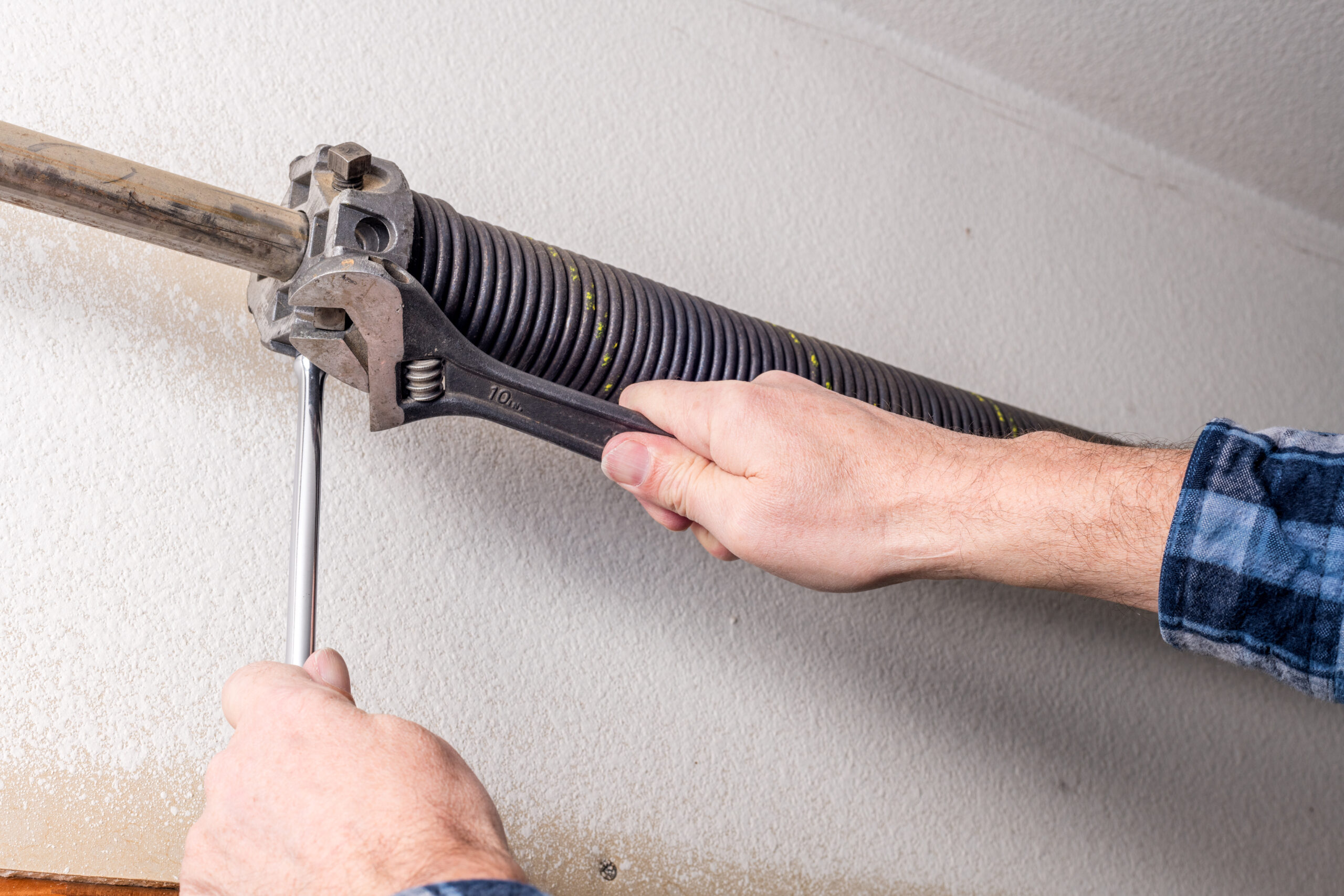
Garage door springs and cables are under significant tension. These components should never be adjusted simply to correct a draft.
The safest approach is to identify the likely source of the air leak before attempting repairs.
If your garage door is structurally sound and operates properly, new weatherstripping or a targeted repair may be enough.
Replacement becomes more worth considering when the door has multiple problems.
For example, an older garage door may have:
A new garage door may provide an opportunity to improve insulation, weather sealing, appearance, and overall performance.
However, replacing the entire door should not be the automatic first step when you notice a draft.
A professional evaluation can help distinguish a repairable sealing issue from a larger door problem.
If you notice cold air coming through your garage door, start with these steps:
A draft does not always require an expensive solution. Identifying the cause helps you focus on the improvement that is most likely to make a difference.
A cold garage may be unavoidable during a Minnesota winter, especially if the space is not heated. But significant drafts around the garage door are worth investigating.
Worn bottom seals, damaged perimeter weatherstripping, poorly fitting sections, and incomplete door closure can all allow unwanted outdoor air inside.
In other situations, the issue may involve inadequate insulation or air leaks elsewhere in the garage.
The most effective solution depends on the source of the problem.
For Brainerd-area homeowners, inspecting weather seals, keeping the opening clear of ice and snow, and addressing mechanical issues can help improve comfort and protect the garage door system throughout the colder months.
Whether the answer is a simple weather seal replacement, professional repair, or a more insulated garage door, understanding the problem is the first step toward making an informed decision.
Access Garage Door provides garage door repair, installation, opener service, and maintenance for homeowners throughout Brainerd and the surrounding Lakes Area.
The company also provides weatherstripping replacement and other garage door repairs that can help address drafts and problems with door operation.
For homeowners experiencing persistent cold air around a garage door, the team can help determine whether the issue involves weather seals, door fit, damaged components, or another condition.
Access Garage Door
8998 County Road 144
Brainerd, MN 56401
Phone: (218) 537-8157
Email: ryan@accessgd.com